- Faith-informed approach
- Goal-focused steps
- Trauma-aware care
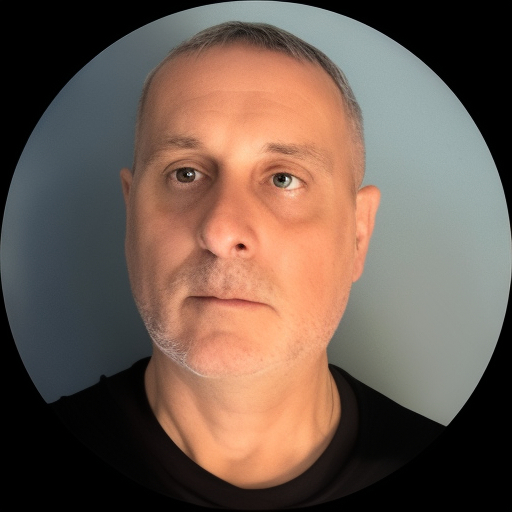
About Jason
Jason Strack, LCMHC, brings 21 years of counseling experience to people facing relationship strain, grief, trauma, anxiety, addiction, and stress. He practices in North Carolina and supports clients who are coping with major life changes, parenting pressures, compassion fatigue, and issues tied to adoption and foster care.
Jason creates a calm, faith-informed space where people can talk honestly about hard things. He focuses on real conversations about what is happening now and practical steps people can try between sessions. His style centers on listening first, then helping clients clarify goals and small next steps.
In sessions he uses methods that fit the person in front of him. He draws on client-centered therapy to follow each person’s lead, motivational interviewing to build commitment to change, and trauma-focused work when memories or past hurts get in the way of daily life. He also uses solution-focused techniques to set short-term goals and Internal Family Systems ideas to help people understand different parts of themselves.
People often come for help with communication problems, intimacy-related concerns, fatherhood and parenting stress, blended family challenges, and issues tied to substance use. He also supports those dealing with chronic illness, aging concerns, and first responder stress. Jason aims to help clients develop clearer choices and workable coping tools.
He holds the Licensed Clinical Mental Health Counselor credential, LCMHC, in North Carolina. Sessions are conducted in English, and he accepts international clients; confirm current session formats before booking.
How his approaches translate to online therapy
Client-Centered Therapy means the session follows what matters most to the client. The therapist listens closely and reflects back what he hears to help people feel understood and name their priorities. This approach helps when stress, relationship issues, or grief make it hard to see a path forward.Motivational Interviewing focuses on strengthening a person’s own reasons to change. It uses curious questions and gentle feedback to build confidence and commitment, which can be useful with addictions, behavior change, or getting unstuck during life transitions.
Trauma-Focused Therapy helps people work through memories or reactions that disrupt daily life. Sessions move at a pace the person can manage and include coping skills to reduce distress between meetings.
Choosing the right approach is a collaborative process. The therapist will talk with the client about goals, preferences, and what has worked before, then try methods that fit those needs. Adjustments are made as therapy progresses to keep things useful and focused on achievable steps.
Because session formats are not listed here, confirm the available online options before booking. Online work can make it easier to fit sessions into a busy week, shorten travel time, and allow check-ins that match a person’s schedule. It also lets people work from a quieter place, use phone-only meetings when bandwidth is limited, or try shorter calls for brief follow-ups while keeping momentum between sessions.
Areas of expertise
Primary focus
Also works with
Additional focus areas
Therapeutic approaches
Experience
21+ years
Credentials
North Carolina
Languages
English
Frequently asked questions
What kinds of concerns does Jason address?
He supports people with relationship strain, trauma and abuse, grief, anxiety, depression, addiction, parenting stress, and issues related to adoption and foster care.
How would you describe his therapeutic style?
His style is listening-first and practical. He creates a faith-informed space, helps set short-term goals, and suggests actions to try between sessions.
What experience does he bring to therapy sessions?
He has 21 years of clinical experience working with people facing long-term and sudden life challenges.
What credentials and location are listed?
He is an LCMHC, Licensed Clinical Mental Health Counselor, practicing in North Carolina.
Which languages and international options are supported?
Sessions are offered in English, and he accepts international clients.
What session formats are available?
Session formats are not specified here; please confirm the current session options before booking.
How does cost and payment work?
Cost varies with location and therapist availability; sessions use a subscription that can be canceled at any time.
How do I begin working with him?
Select the Start Therapy button, complete a short matching questionnaire, and schedule according to the therapist's availability.