- Client-centered care
- Practical strategies
- Supportive guidance
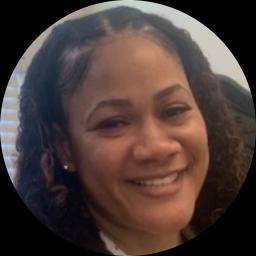
About Lyssa
Lyssa Solomon Simpson is a Licensed Professional Counselor (LPC) in Georgia with ten years of professional experience. She centers sessions on the person in front of her, believing each client knows their own story and strengths. She offers calm, straightforward support for people feeling overwhelmed by stress, anxiety, anger, low self-esteem, or depression.
Her approach is practical and respectful. She listens first, then helps set small, achievable goals. She draws on client-centered work to make space for each person’s perspective. Cognitive Behavioral Therapy ideas are used to spot unhelpful thinking and try new behaviors.
Lyssa also uses motivational interviewing to boost confidence and commitment to change. Solution-focused techniques help focus on what’s working now and how to build on it. These methods are applied in everyday language so goals are clear and reachable.
She has experience addressing LGBT concerns, issues of abandonment, and adoption and foster care topics. Additional focus areas include communication problems, mood and impulse challenges, phobias, post-traumatic stress, and self-harm risks. Lyssa supports people navigating young adult issues and social anxiety.
Sessions aim to be collaborative and practical. Lyssa helps people set realistic next steps and reviews progress along the way. For anyone who wants straightforward guidance and steady encouragement, she offers a supportive place to make change.
How Lyssa’s approaches translate to online therapy
Lyssa commonly blends client-centered work with Cognitive Behavioral Therapy to help people untangle difficult thoughts and build new habits. Client-centered therapy means the therapist listens without judging and follows the client’s lead, which helps people feel understood and respected. Cognitive Behavioral Therapy focuses on identifying unhelpful thinking patterns and testing different actions to improve mood and behavior.She also uses motivational interviewing to strengthen motivation and commitment to change. That method is conversational and helps people clarify their goals and find internal reasons to keep working toward them. Deciding which approach to use is a collaborative process; Lyssa will talk about options and adjust methods to match a person’s needs, goals, and preferences.
If you are considering online work, confirm the available session formats before booking since this profile does not list them. Online sessions can make it easier to fit therapy into a busy schedule, support shorter check-ins when time is tight, and reduce travel time. Many people find that working with a licensed professional remotely helps them maintain momentum and practice new skills between meetings.
Areas of expertise
Primary focus
Additional focus areas
Therapeutic approaches
Experience
10+ years
Credentials
Georgia
Languages
English
Frequently asked questions
What concerns does Lyssa help with?
Lyssa works with stress, anxiety, anger, self-esteem issues, and depression. She also addresses LGBT matters, abandonment, adoption and foster care topics, and young adult challenges.
What is her therapeutic style like?
Her work is collaborative and straightforward, starting with listening and setting small goals. She uses practical techniques to make change feel manageable.
How long has she been practicing?
She has ten years of professional experience as a counselor in Georgia.
What credentials does she hold and where is she based?
She is a Licensed Professional Counselor, LPC, licensed in Georgia.
Which languages are supported and can international clients work together?
Sessions are offered in English and she accepts international clients.
What session formats are available?
Please confirm current session formats before booking, as the profile does not list specific formats.
How much do sessions cost?
Cost varies with location and therapist availability; sessions use a subscription that can be canceled at any time.
How do I begin working with her?
Use the Start Therapy button, complete a short matching questionnaire, and then schedule according to the therapist's availability.