- Person-centered care
- CBT and DBT tools
- Adoption-aware support
About Mary
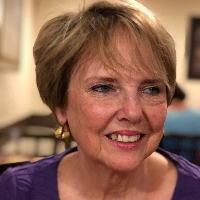
Dr. Mary Walker is a Licensed Professional Counselor (LPC) practicing in Texas with ten years of clinical experience. She focuses on concerns like eating and sleeping problems, addictions, grief, bipolar disorder, ADHD, LGBT issues, career stress, and coaching. She also pays attention to adoption and foster care related concerns and family-of-origin difficulties.
She uses a calm, person-centered style. Sessions are conversational and practical. She listens first, then helps clients identify small, doable steps to feel better. Her background includes time as a high school art teacher and mentoring roles in church settings, which shaped her way of relating to people.
Dr. Walker completed a master’s degree in counseling at Houston Graduate School of Theology and earned a Ph.D. from Texas A&M Corpus Christi. Over the years she expanded her study to include work with trauma, dissociation, personality issues, depression, OCD, grief, and anxiety. That training informs how she notices patterns and plans treatment ideas with clients.
In sessions she blends client-centered methods with cognitive behavioral techniques and dialectical behavior ideas. She also draws on mindfulness and existential perspectives when they fit a person’s needs. The goal is straightforward: help people build coping skills and move toward more stable days.
People who come to her often want practical tools and steady support. Dr. Walker aims to walk alongside each person as they make changes, honoring their pace while encouraging growth.
How therapeutic approaches shape online work
Dr. Walker uses client-centered work that focuses on the person's experience and goals. This approach involves active listening, reflecting what the person says, and collaborating on goals that matter to them. It suits people who want a supportive, nonjudgmental space to talk through challenges.She also applies cognitive behavioral therapy, a practical method that breaks problems into thoughts, feelings, and actions. CBT helps people identify unhelpful thinking patterns and try small behavior changes to improve mood and daily functioning. Dialectical behavior therapy techniques are used for emotion regulation and distress tolerance, teaching concrete skills for handling strong feelings and relationship stresses.
Finding the right approach is a team effort. The therapist will talk with clients about their needs, goals, and preferences and suggest which methods to try first. That plan can change as therapy progresses to fit what actually helps.
The biography does not list specific online session formats, so confirm available options before booking. In general, online work can make fitting sessions into busy schedules easier, reduce travel time, and allow shorter check-ins when needed. Licensed professionals can tailor techniques like CBT worksheets, mindfulness exercises, and DBT skills practice to the online setting to keep sessions focused and practical.
Areas of expertise
Primary focus
Additional focus areas
Therapeutic approaches
Experience
10+ years
Credentials
Texas
Languages
English
Frequently asked questions
What concerns does this therapist address?
Common concerns include eating and sleeping issues, addictions, grief, bipolar disorder, ADHD, LGBT questions, and career stress. Additional focus areas listed include abandonment and adoption and foster care related concerns.
What is the therapist's general approach in sessions?
She favors a person-centered, conversational style that emphasizes listening and practical steps. Cognitive behavioral and dialectical behavior methods are used to teach skills and change unhelpful patterns.
How much clinical experience does she have?
She has been practicing for ten years and has worked with people facing trauma, grief, dissociation, depression, OCD, and anxiety.
What credentials and location are listed?
The clinician holds the LPC credential and practices in Texas; the listing shows Texas as the location.
Which languages and international options are available?
Sessions are offered in English and international clients are accepted.
What session formats are offered?
The original biography does not specify exact session formats; please confirm current session options before booking.
How is cost handled for sessions?
Cost varies with location and therapist factors, and sessions use a subscription that can be canceled at any time.
What are the steps to begin working together?
Use the Start Therapy button, complete a short matching questionnaire, and schedule a time according to the therapist's availability.