- Client-centered care
- Trauma-informed tools
- Adoption and foster care
About Mary
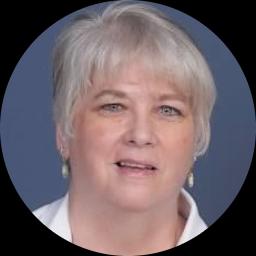
Mary Widseth uses a client-centered approach to help people make sense of themselves and their relationships. She is Mary Lynn Widseth, LPC, and she draws on seven years of clinical work to guide conversations that feel practical and clear. Her style is straightforward and focused on what matters in day-to-day life.
Mary holds a master’s degree in Community Psychology and Rehabilitation Counseling. She also earned a bachelor’s in Vocational Rehabilitation and a certificate in Autism. Her background includes workplace support and hands-on job coaching for adults with cognitive, communication, or physical challenges.
Early in her career she used picture books, rebus boards, and sign language to bridge language gaps and improve communication. That work taught her to adapt tools so people can take small steps that add up. She also provided on-the-job training and coordinated with employers to help placements succeed.
More recently Mary completed in-home therapy for children aged 7 to 18 and their families for two years, and then worked two years as a mental health therapist with adults and children in an office setting. Her practice has included helping people cope with anxiety, depression, ADHD, Autism, addictions, body image concerns, and relationship struggles.
She often combines conversational, skills-based work with approaches that address emotions and past trauma. Parents and caregivers who are worried about behavior, sleep, or family communication may find practical strategies to try between sessions. Mary focuses on real-life changes people can make to feel more capable and connected.
How Mary’s approaches translate to online therapy
Client-Centered Therapy focuses on listening and reflecting so clients feel understood and can set their own goals. Online sessions can use that same open conversation to work through immediate concerns like relationship strain or parenting challenges.Cognitive Behavioral Therapy, or CBT, teaches straightforward skills to change unhelpful thoughts and behaviors. That approach often includes homework and short exercises that translate well to remote sessions and between-session practice.
Dialectical Behavior Therapy, DBT, offers skills for emotion regulation, distress tolerance, and better communication. These tools can be introduced in session and practiced at home as people build new routines.
Finding the right approach is a collaborative process. The therapist will talk with each person about their needs, goals, and preferences, and together they decide which methods to try first. Sessions can shift over time as priorities change.
Confirm current session options before booking, as formats are not specified here. Online therapy can make it easier to schedule appointments around work, caregiving, and daily routines. It also supports using digital worksheets, brief check-ins, and focused skills practice without requiring an in-person visit.
Areas of expertise
Primary focus
Also works with
Additional focus areas
Therapeutic approaches
Experience
7+ years
Credentials
Minnesota
Languages
English
Frequently asked questions
What kinds of concerns does Mary address?
She works with relationship problems, family stress, trauma and abuse, grief, depression, anxiety, addictions, intimacy issues, sleep troubles, parenting strain, anger, self esteem, career challenges, bipolar disorder, coping with life changes, and ADHD. Adoption and foster care issues are also listed as a focus area.
How would you describe her therapy style?
Her work is client-centered and practical, using clear conversation and skills practice. She also draws on cognitive behavioral techniques and emotion-focused methods when helpful.
What experience does she bring?
She has seven years of experience, including in-home therapy for children aged 7 to 18 and office-based work with adults and children. Earlier roles included job coaching and communication supports for adults with disabilities.
What credentials and region are listed?
She is an LPC (Licensed Professional Counselor) practicing in Minnesota and holds a master’s degree in Community Psychology and Rehabilitation Counseling.
Which languages are supported?
Sessions are offered in English. Her background includes working around language barriers using sign language and visual tools.
Are international clients accepted?
International clients are not currently accepted.
How does payment and cost work?
Cost varies with location and therapist availability; sessions use a subscription that can be canceled at any time.
What are the first steps to begin?
Click the Start Therapy button, complete a short matching questionnaire, and schedule according to therapist availability.