- Trauma-aware
- Goal-focused
- Attachment-centered
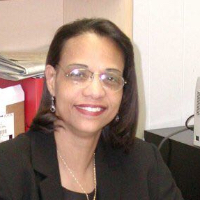
About Rhonda
Rhonda Lucineo is a Licensed Professional Counselor (LPC) with 13 years of clinical experience. She focuses on helping people manage stress, anxiety, depression, and relationship struggles. Her work often addresses trauma, addiction concerns, and the emotional impact of life transitions like divorce and postpartum changes.
Rhonda centers sessions on understanding each person’s history and current needs. She draws on Attachment-Based approaches and Cognitive Behavioral Therapy to help people notice patterns and practice different ways of responding. Client-Centered ideas guide her to listen closely and shape therapy around the person in front of her.
Her background includes work with a range of family-related challenges, including blended family dynamics, caregiver stress, and issues tied to adoption and foster care. She aims to make space for difficult memories and for practical problem solving when relationships are strained.
Rhonda describes therapy as a collaborative process. She uses Motivational Interviewing and Solution-Focused methods when people want clear, goal-oriented steps and help staying motivated through change. Sessions combine emotional processing with concrete strategies to handle day-to-day demands.
Based in Connecticut, Rhonda emphasizes steady progress and realistic goals. She supports people working through attachment wounds, grief from separation or abandonment, and the effects of past abuse. Her style is warm and direct, with an emphasis on small, achievable changes.
How therapeutic approaches translate to online care
Attachment-Based Therapy focuses on patterns in close relationships and helps people understand how past bonds shape current reactions. It is useful for attachment struggles, abandonment concerns, and rebuilding trust in relationships. Cognitive Behavioral Therapy (CBT) helps people identify unhelpful thoughts and test new behaviors through small experiments. It often helps with anxiety, mood concerns, and managing daily stressors. Client-Centered Therapy emphasizes listening and creating a collaborative, respectful space where the client leads the pace and focus of work.Finding the right approach is part of the work together. Rhonda will help clients decide which methods match their goals and needs. She combines approaches when that best supports the person, and checks in regularly to adjust the plan based on progress and preference.
If you are interested in online sessions, confirm the available session formats before booking so you know what is offered. Online therapy can make it easier to fit sessions into a busy schedule, reduce travel time, and allow shorter check-ins when needed. It can also suit situations where in-person visits are harder to arrange. Ask during the matching process which specific session options are currently supported.
Areas of expertise
Primary focus
Also works with
Additional focus areas
Therapeutic approaches
Experience
13+ years
Credentials
Connecticut
Languages
English
Frequently asked questions
What concerns does Rhonda often help with?
She works with stress, anxiety, depression, relationship and family challenges, trauma and abuse, and addictions. Additional focuses include abandonment, attachment issues, adoption and foster care, and postpartum concerns.
What is Rhonda's therapy style like?
Her style blends Attachment-Based and Client-Centered therapy with practical methods. Sessions aim to understand emotions while building skills for everyday life.
How much clinical experience does she have?
Rhonda has 13 years of clinical experience working with people facing complex life transitions and relationship stresses.
What credentials and location apply to this therapist?
She is a Licensed Professional Counselor (LPC) practicing in Connecticut and holds the CT LPC credential.
In which languages can sessions be conducted?
Sessions are offered in English.
Does she work with international clients?
She does not accept international clients at this time.
How is cost handled for sessions?
Cost varies with location and therapist availability; sessions use a subscription that can be canceled at any time.
What are the steps to begin working together?
Choose the Start Therapy button, complete a short matching questionnaire, and schedule based on the therapist's availability.