- Acceptance focused
- Attachment centered
- Trauma informed
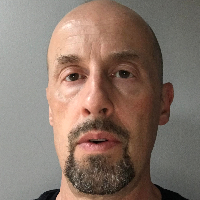
About Thomas
Thomas Zimm is a licensed clinical social worker (LCSW) who helps people facing stress, anxiety, grief, trauma, and relationship challenges. He works with parents, caregivers, and individuals coping with abandonment, attachment concerns, and the complex issues that often accompany adoption and foster care. Thomas writes plainly and listens closely so people feel heard from the first session.
He trained at the Jane Addams School of Social Work and brings 14 years of clinical experience in Illinois. That experience includes supporting people affected by abuse, neglect, domestic violence, separation, loss, depression, bipolar disorder, and substance use concerns. He has also worked with adolescents and adults whose lives were affected by homelessness and interpersonal violence.
Thomas uses a collaborative style that focuses on engagement and validation. Sessions tend to emphasize practical skills, gentle advocacy, and building tolerable ways to manage strong emotions. He avoids reducing someone to a diagnosis and instead helps people name what matters and set achievable goals.
Therapeutic approaches in his practice include acceptance and commitment ideas, attachment-based work, cognitive behavioral tools, dialectical behavior skills, and trauma-focused methods. These methods are blended to match each person's needs rather than applied in a fixed sequence.
He aims to be steady and present for the hard parts of change. People who want clear feedback, practical strategies, and consistent support may find his style helpful as they navigate grief, parenting questions, or identity and relationship stresses.
How his approaches translate to online therapy
Acceptance and Commitment Therapy (ACT) focuses on helping people notice difficult thoughts and feelings without getting stuck in them, then take values-based action. It can be useful for anxiety, stress, and the challenges that follow loss. Attachment-Based Therapy looks at how early relationships shape current bonds and emotions, and it aims to strengthen connection and emotional regulation in everyday life. Cognitive Behavioral Therapy (CBT) helps people identify unhelpful thoughts and try more effective behaviors, which can be practical for depression, anger, and many stress-related problems.Finding the right mix of approaches is part of the work. The therapist will collaborate with each person to decide which methods fit their goals, needs, and preferences. This means adapting tools over time rather than using one fixed method.
If you are considering online therapy, check the session options before booking to confirm current formats. Online sessions can make it easier to fit therapy into a busy schedule, avoid travel time, and allow shorter check-ins when needed. Therapists can teach grounding exercises, behavioral experiments, and communication strategies that you can practice between appointments, which helps integrate therapy into daily life.
Areas of expertise
Primary focus
Also works with
Additional focus areas
Therapeutic approaches
Experience
14+ years
Credentials
Illinois
Languages
English
Frequently asked questions
What kinds of concerns does Thomas help address?
He supports people with stress, anxiety, trauma and abuse, grief, anger, depression, addictions, relationship and family issues, bipolar concerns, compassion fatigue, and ADHD, among other challenges.
What is his therapeutic approach and style?
Thomas uses a supportive, collaborative approach that emphasizes engagement and validation. He mixes practical skills with advocacy and aims to avoid reducing someone to a label.
What experience does he bring to sessions?
He has 14 years of clinical experience working with children, adolescents, and adults affected by abuse, neglect, domestic violence, separation, loss, depression, bipolar issues, and substance use.
What are his credentials and where is he based?
He is a licensed clinical social worker (LCSW) holding an IL LCSW and practices in Illinois.
In which languages can sessions be conducted?
Sessions are offered in English.
Can international clients work with him?
He accepts international clients, so people outside the United States can be matched for sessions.
How are fees and session costs handled?
Cost varies with location and therapist availability, and sessions use a subscription model that can be canceled at any time.
How do I begin working with him?
Select the Start Therapy button, complete the short matching questionnaire, and schedule according to the therapist's availability.