- Anxiety and mood support
- Adoption and foster care
- Practical skill building
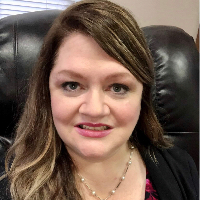
About Tracey
Tracey Byram, LPC, helps people who are facing anxiety, depression, bipolar disorder, trauma, and stress. She also supports people dealing with parenting strain, adoption and foster care concerns, grief, relationship and intimacy issues, and attention-deficit challenges. Her style aims to be straightforward and practical so families and individuals can manage day-to-day life more easily.
She uses a mix of approaches to match each person's needs. Cognitive Behavioral Therapy helps by identifying unhelpful thoughts and trying new behaviors. Acceptance and Commitment Therapy focuses on values and small steps toward a meaningful life. Attachment-Based methods look at how early relationships shape current patterns.
Tracey brings 27 years of experience as a Licensed Professional Counselor in Georgia. Her background includes long-term work with clients who identify as LGBT and people across the lifespan. She has also integrated animal-assisted work into practice in the past and appreciates how different tools can help people feel more supported.
Sessions are intended to be collaborative and practical. She works with clients to set clear goals and build simple skills they can use between meetings. Tracey aims to balance empathy with concrete strategies so progress is visible and usable in everyday situations.
Outside of work she enjoys reading, hiking, yard work, and beach visits. She values learning from each person she meets and brings that curiosity into the therapy process.
How these approaches translate to online work
Acceptance and Commitment Therapy, or ACT, helps people notice what matters to them and take small steps toward those values. It is useful for anxiety, depression, and coping with life changes. Attachment-Based Therapy looks at how early relationship patterns affect current behavior and helps people create different ways of relating. This can be especially relevant for adoption and foster care issues and intimacy concerns. Cognitive Behavioral Therapy, CBT, focuses on spotting unhelpful thoughts and testing new actions to reduce symptoms and improve daily functioning.Finding the right approach is part of the process. The therapist will collaborate with each person to decide which methods fit their goals and preferences. Sessions can include trying practical exercises, learning skills to use between meetings, and checking what works so plans are adjusted together.
Confirm the current session options before booking since formats are not specified here. Online work can make it easier to fit therapy into a busy schedule, shorten commute time, or allow shorter check-ins when days are tight. Some approaches translate well to conversations and homework-style practice, while others may involve experiential exercises adapted for remote sessions. Ask about available session formats when you schedule so arrangements match your needs and routine.
Areas of expertise
Primary focus
Also works with
Additional focus areas
Therapeutic approaches
Experience
27+ years
Credentials
Georgia
Languages
English
Frequently asked questions
What kinds of concerns does Tracey help with?
She works with stress, anxiety, depression, bipolar disorder, trauma and abuse, addictions, grief, relationship and intimacy issues, parenting and adoption and foster care concerns, ADHD, and many related topics.
What is her therapeutic style like?
Her approach is practical and collaborative. Sessions focus on setting goals, trying skills in real life, and reviewing progress together.
How much experience does she have?
She has 27 years of experience as a clinician working with a wide range of concerns and age groups.
What credentials and location should I know about?
She holds an LPC credential listed as GA LPC and practices in Georgia.
Which languages are sessions offered in?
Sessions are offered in English.
Can international clients work with her?
International clients are not currently accepted.
How are session costs handled?
Cost varies with location and therapist availability, and sessions use a subscription that can be canceled at any time.
How do I get started if I want to work together?
Select the Start Therapy button, complete the short matching questionnaire, and schedule according to therapist availability.