- Client-centered
- CBT tools
- Mindfulness based
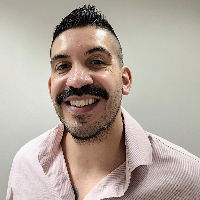
About Zachary
Zachary Martin is a licensed clinical social worker who focuses on practical, down-to-earth therapy. He aims to make sessions feel calm and approachable. Many people come to him for help with stress, anxiety, depression, relationship struggles, and issues tied to adoption and foster care.
He began working in adult residential facilities for people with developmental disabilities while earning a bachelor of arts in philosophy with a psychology minor in 2008. Zachary then completed a master of social work in 2013 and has worked in foster and adoption services, child welfare investigations, inpatient hospitalization, and interdisciplinary teams. That variety shaped how he understands what contributes to mental health problems.
His clinical work draws on client-centered methods, cognitive behavioral techniques, mindfulness, narrative approaches, motivational interviewing, and existential ideas. In practice this means he listens first, then tries concrete tools that match a person's goals. He prioritizes simple, usable strategies such as noticing unhelpful thoughts, building small habits, and practicing mindful awareness.
Zachary emphasizes creating a comfortable space where people can speak honestly. He partners with each person to pick interventions that make sense for their life and aims for measurable changes over time. He brings five years of professional experience as an outpatient therapist.
He practices in California as an LCSW. Sessions are conducted in English and he does not take international clients. Before starting, people complete a brief matching questionnaire and schedule sessions based on the therapist's availability.
How client-centered and cognitive approaches translate online
Client-centered therapy focuses on listening without judgment and helping the person lead the conversation; it is useful when someone needs a calm space to sort feelings. Cognitive behavioral therapy (CBT) looks at thoughts and behaviors to find practical changes that reduce distress, which helps with anxiety, depression, and life transitions. Existential ideas can be used to talk through meaning, values, and big life questions when people feel stuck or uncertain.Finding the right mix is a collaborative process. The therapist will talk with the person about goals, preferences, and what has or hasn’t worked before. Together they choose approaches and small steps to try, then adjust those steps over time based on what helps most.
Session format options are not specified here, so confirm current session choices before booking. Online work can make it easier to fit therapy into a busy week, reduce travel time, and allow shorter check-ins when needed. It also lets conversations continue when schedules or locations change, while keeping the focus on practical tools and steady progress.
Areas of expertise
Also works with
Additional focus areas
Therapeutic approaches
Experience
5+ years
Credentials
California
Languages
English
Frequently asked questions
What kinds of concerns can be addressed here?
Zachary works with stress, anxiety, depression, trauma and abuse, relationship and intimacy issues, addiction concerns, grief, ADHD, bipolar disorder, and related life challenges including adoption and foster care topics.
How would you describe his therapy style?
He blends client-centered listening with practical approaches such as cognitive behavioral techniques, mindfulness, and motivational interviewing to create usable tools for everyday life.
What is his professional background?
He has five years of outpatient therapy experience and prior work in foster and adoption services, child welfare investigations, and inpatient hospitalization.
What credentials and region should I know about?
He holds an LCSW - Licensed Clinical Social Worker - and practices in California.
Which languages are sessions offered in?
Sessions are offered in English.
Can people outside the U.S. work with him?
He does not accept international clients at this time.
How are costs handled for sessions?
Cost varies with location and therapist availability, and sessions use a subscription that can be canceled at any time.
What are the first steps to begin therapy?
Click the Start Therapy button, complete a short matching questionnaire, and schedule sessions according to the therapist's availability.