
Tanya Underwood
LMFTArizona · 16 yrs exp
Compassionate, practical therapy for everyday challenges
Stress, Anxiety · Addictions · Relationship · Trauma and abuse · +16 more
Read profileAn independent directory. Not a crisis service.
Need help now?Therapist listings are provided by BetterHelp. We will earn a commission at no additional cost to you if you use our links to purchase.
On this page you can compare profiles of professionals who list adoption and foster care among their focus areas in Arizona. Browse profiles to review qualifications, approaches, languages, and experience, and contact an individual profile to confirm whether they can work with you where you live.
Arizona · 16 yrs exp
Compassionate, practical therapy for everyday challenges
Stress, Anxiety · Addictions · Relationship · Trauma and abuse · +16 more
Read profile
Arizona · 25 yrs exp
Experienced LCSW guiding families forward
Addictions · Grief · Parenting · Compassion fatigue · +16 more
Read profile
Arizona · 9 yrs exp
Compassionate, practical therapy for life changes
Stress, Anxiety · Addictions · Relationship · Trauma and abuse · +11 more
Read profile
Arizona · 30 yrs exp
Practical, respectful counseling with experience
Stress, Anxiety · Addictions · Family · Grief · +12 more
Read profile
Arizona · 15 yrs exp
Compassionate counseling for life transitions
Stress, Anxiety · Addictions · Trauma and abuse · LGBT · +6 more
Read profile
Arizona · 23 yrs exp
A calm, practical therapist for life changes
Stress, Anxiety · Self esteem · Depression · Coping with life changes · +16 more
Read profile
Arizona · 13 yrs exp
Compassionate therapist focused on practical change
Stress, Anxiety · Relationship · Grief · Self esteem · +10 more
Read profile
Arizona · 10 yrs exp
Calm, practical therapy for life transitions
Stress, Anxiety · Relationship · Family · Trauma and abuse · +11 more
Read profile
Arizona · 25 yrs exp
Older therapist with practical wisdom
Stress, Anxiety · Grief · Self esteem · Depression · +12 more
Read profile
Arizona · 14 yrs exp
Supportive, practical social worker
Trauma and abuse · Grief · Anger · Depression · +9 more
Read profile
Arizona · 26 yrs exp
Experienced LCSW with trauma and adoption background
Stress, Anxiety · Trauma and abuse · Grief · Self esteem · +12 more
Read profile
Arizona · 10 yrs exp
Compassionate, practical care for life transitions
Stress, Anxiety · Trauma and abuse · Self esteem · Depression · +7 more
Read profile
Arizona · 18 yrs exp
Compassionate, practical mental health support
LGBT · Family · Trauma and abuse · Grief · +13 more
Read profile
Arizona · 12 yrs exp
Compassionate, solution-focused counseling
Stress, Anxiety · Parenting · Self esteem · Depression · +8 more
Read profile
Arizona · 30 yrs exp
Calm, practical therapy for relationship struggles
Addictions · Relationship · Family · Trauma and abuse · +2 more
Read profile
Arizona · 17 yrs exp
Compassionate LCSW focusing on family and attachment
Stress, Anxiety · Relationship · Family · Trauma and abuse · +5 more
Read profile
Arizona · 8 yrs exp
Guide for relationship and life transitions
Relationship · Trauma and abuse · Intimacy-related issues · Self esteem · +13 more
Read profile
Arizona · 28 yrs exp
Compassionate LCSW focused on steady progress
Stress, Anxiety · Addictions · Trauma and abuse · Grief · +15 more
Read profile
Arizona · 40 yrs exp
Experienced clinician focused on practical change
Stress, Anxiety · Addictions · Relationship · Trauma and abuse · +13 more
Read profile
Arizona · 27 yrs exp
Compassionate counselor focused on relationships
Stress, Anxiety · Trauma and abuse · Parenting · Depression · +9 more
Read profile
Arizona · 8 yrs exp
Supportive counselor for life transitions
Stress, Anxiety · Trauma and abuse · Parenting · Self esteem · +13 more
Read profile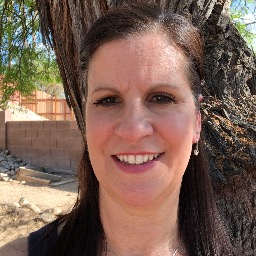
Arizona · 25 yrs exp
Supportive counselor focused on small practical steps
Stress, Anxiety · Relationship · Family · Parenting · +12 more
Read profile
Arizona · 32 yrs exp
Experienced counselor focused on strengths
Family · Trauma and abuse · Grief · Parenting · +8 more
Read profile
Arizona · 25 yrs exp
Practical, value-focused counseling with experience
Stress, Anxiety · Addictions · Grief · Depression · +15 more
Read profileIf you are searching for support around adoption or fostering, you are likely carrying questions about identity, attachment, loss, reunion and family adjustment. These experience areas can appear at different stages of life - from prenatal planning and early placement to teenage identity work and adult reflection on growing up in care. You may be a birth parent, an adoptive or foster parent navigating relationships and transitions, an adoptee exploring identity and reunion, or an adult who spent time in care and is seeking understanding. Each of those perspectives brings distinct emotional and practical concerns, and a therapist's interest in adoption and foster care does not presuppose a single pathway or outcome.
In Arizona the social context, county services and legal procedures shape some of the practical details you will face. Therapy can be a place to explore feelings about attachment, grief related to loss or separation, the complexities of reunion, and the ways family roles shift after placement. Many people want help naming cultural, racial and heritage aspects of identity, and you can raise these topics with a professional to see how they approach cultural humility and identity-affirming work. Remember that professionals listed on this site offer support related to these themes, but they do not manage legal, custody or adoption processes. If you need legal guidance or case management, consult the appropriate services or an attorney who handles adoption or foster care matters.
The directory groups profiles by listed location, which helps you find professionals who indicate a connection to Arizona. A listed location does not guarantee a physical office in a particular city, nor does it confirm permission to practice with you in every circumstance. You should open an individual profile and verify whether the person can work with you where you live. That verification is especially important if you plan to meet in person or across state or national lines.
Profiles may show academic degrees such as PhD, PsyD, MD, MA or MSW alongside professional registration, membership or licensing information. It is important to distinguish degrees from the authority to provide clinical care in a given place. In the United States, therapists may hold state licenses. In the United Kingdom and Australia, professionals typically indicate registration or membership in relevant professional bodies. A degree alone does not establish current permission to practice. When reading a profile, look for clear statements about US licensing, UK registration or Australian registration or membership, and ask the person directly if you need confirmation that they are permitted to work with you in your jurisdiction.
When you contact someone whose profile interests you, having specific questions can reveal how well their experience matches your needs. Instead of asking general questions, you can ask whether they have experience supporting adoptees at particular life stages, such as teenagers dealing with identity and peer relationships or adults processing reunion dynamics. Ask if they have worked with adoptive or foster parents through pre-placement preparation, parenting transitions, or attachment challenges. If you are a birth parent, inquire about experience with grief, loss and ongoing contact arrangements.
Also ask about the therapist's work with related family structures. A listed topic does not mean a therapist treats children, couples or families, so if you need family sessions, ask whether they routinely provide that kind of care. You can ask how they tend to balance emotional processing with practical parenting strategies and whether they have experience coordinating care with schools, pediatricians or child welfare professionals when that is relevant to your situation. Concrete comparison questions include: Do they list work with reunion or search-related issues? Which age ranges do they indicate in their profile? Do they describe experience with transracial adoption or cultural identity work? These kinds of questions help you compare practitioners on the specific issues that matter to you, without assuming any single approach will fit every person.
If you are considering remote sessions, it helps to raise several practical points before you begin. Confirm whether the professional indicates permission to work with clients in Arizona or in your current state - cross-jurisdiction practice is regulated, and the person must be able to describe their permitted scope. Ask about the technology they use and what to expect if a session is interrupted or disconnected. Clarify where you should be located during a session, particularly if you move between cities or states, and discuss emergency planning - who you should contact locally and how the therapist coordinates care in crisis situations.
Talk about the kind of setting that will make you feel comfortable. You might prefer a quiet room at home, a car parked in a calm location, or another arrangement that feels safe and personal for you. Discuss how notes and records are managed and what communication channels the practitioner uses between sessions. If language access is important, verify the languages they list and whether they use interpreters. Finally, if you are a parent considering teletherapy for a child, remember that this directory does not provide services for children directly - check the profile carefully and ask the practitioner to explain the age ranges and formats they work with.
As you review profiles, pay attention to how practitioners describe their focus areas and expressive style. Some profiles emphasize adoption and foster care as part of a broader portfolio, while others highlight cultural identity, attachment or trauma-informed perspectives. Note whether a profile lists specific focus areas like reunion work, attachment-based parenting support, identity exploration for adoptees, or support for birth parents. These descriptions give you an overview of the topics a practitioner chooses to foreground, but they do not guarantee a particular therapeutic technique or result.
Language access can be crucial to feeling heard, especially when identity and cultural heritage are central to your concerns. Compare the languages listed on profiles and consider whether you prefer a practitioner who speaks your first language or who names experience working with interpreters. Look at the credentials shown and distinguish degrees from professional permissions to practice. If a profile lists a PhD, PsyD, MD, MA or MSW, recognize those as academic qualifications. If it mentions US licensing, UK registration or Australian registration or membership, follow up to confirm current status and where the practitioner is permitted to work.
Finally, think about interpersonal fit and therapeutic style. Some profiles convey a pragmatic, skills-focused approach; others emphasize reflective exploration of identity and relationships. Consider questions such as: How does this person describe their goals for therapy? Do they mention working with adoptive and foster families in a way that aligns with your priorities? Is their language more clinical or more narrative and relational? Use these cues to shortlist profiles, then reach out to ask the concrete questions mentioned earlier. Remember that this directory groups professionals by a listed location and focus areas, but the best next step is to confirm details directly with an individual profile and to establish together whether they have permission to work with you where you live.
Abandonment
2501 therapists
Adoption
3765 therapists
Attachment Issues
2579 therapists
Blended Family Issues
2510 therapists
Caregiver Issues and Stress
2594 therapists
Communication Problems
3125 therapists
Compassion Fatigue
2062 therapists
Coping with Life Changes
3086 therapists
Family
2967 therapists
Family of Origin Issues
2173 therapists
Fatherhood Issues
1549 therapists
Fertility Issues
1149 therapists
Forgiveness
2773 therapists
Foster Care
3765 therapists
Life Purpose
2918 therapists
Parenting
2733 therapists
Relationship
3107 therapists
Self-Love
2904 therapists