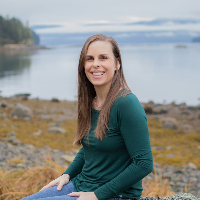
Rachael Woods
LCSWAlaska · 24 yrs exp
Compassionate LCSW focused on practical recovery
Stress, Anxiety · Addictions · Trauma and abuse · Sleeping · +10 more
Read profileAn independent directory. Not a crisis service.
Need help now?Therapist listings are provided by BetterHelp. We will earn a commission at no additional cost to you if you use our links to purchase.
This page groups profiles of professionals who list adoption and foster care under the listed location Alaska. Compare focus areas, approaches, credentials and languages, and browse profiles to learn more.
Check each profile and confirm the professional has permission to work with you where you live before beginning any contact.
Alaska · 24 yrs exp
Compassionate LCSW focused on practical recovery
Stress, Anxiety · Addictions · Trauma and abuse · Sleeping · +10 more
Read profile
Alaska · 9 yrs exp
Calm, practical support for life transitions
Stress, Anxiety · Relationship · Family · Self esteem · +5 more
Read profile
Alaska · 20 yrs exp
Practical support for stressful life changes
Stress, Anxiety · Relationship · Trauma and abuse · Parenting · +1 more
Read profile
Alaska · 15 yrs exp
Practical, compassionate therapy for life transitions
Stress, Anxiety · Trauma and abuse · Grief · Parenting · +10 more
Read profile
Alaska · 10 yrs exp
Compassionate, practical therapy for life challenges
Stress, Anxiety · Addictions · Relationship · Trauma and abuse · +10 more
Read profileIf you are an adoptee, a birth parent, an adoptive parent, a foster parent, or an adult who grew up in care, you may be thinking about identity, belonging, attachment, loss, reunion or family adjustment. These are common concerns across adoption and fostering journeys, and many people seek a professional to help them reflect on feelings, relationships and next steps. The profiles on this page are intended to help you compare professionals who list adoption and foster care among their focus areas so you can start conversations about what matters to you.
Remember that the professionals listed here are not a substitute for legal advice and do not handle adoption, fostering, custody or legal processes. Also note that therapists do not provide services for children through this directory. Use the profiles to identify professionals whose stated interests, populations and approaches match your needs, then reach out to ask specific questions about scope of practice, work with families or individuals, and whether they can lawfully work with you in your jurisdiction.
The listed location on a profile groups professionals by the location someone associated with their profile chose. It is not evidence of an office, physical proximity, eligibility for every resident, or an active license in that location. You should review each profile carefully and confirm the professional has permission to work where you live. In the United States, permission to practice is typically tied to state licensing. In the United Kingdom and Australia, professionals often hold registrations, memberships or accreditation with national or regional bodies. Those terms are not interchangeable across countries, and a degree such as PhD, PsyD, MD, MA or MSW is distinct from a license, registration or membership. A degree alone does not establish current permission to practice.
When you read a profile, look for clear statements about the practitioner’s credentials and their jurisdictional permission to provide care. If a profile lists a specialist approach, it is appropriate to ask what that means in practice and whether the practitioner has ongoing supervision or professional oversight for work in your area. The directory groups profiles under Alaska so you can compare options, but confirming legal permission to work together is a step you must take directly with the professional.
Before you commit to a first conversation, think about the outcomes you hope to explore and prepare concrete questions. You might ask, "What experience do you have working with people affected by adoption or foster care?" or "Have you worked with adults who are exploring identity after adoption?" If you are a parent, a helpful question could be, "How do you work with families after a placement or a reunion?" Clear questions help you understand whether a professional has relevant exposure to the themes you care about, while recognizing that listing a focus area is not a promise of specialized certification.
It is also useful to ask about the kinds of approaches the professional may use. Some therapists list cognitive-behavioral strategies, emotion-focused work, attachment-based approaches, or experiential methods among their approaches. Phrase your question to emphasize fit and process - for example, "How might you work with attachment concerns in my family?" or "How do you support identity exploration for adoptees?" Ask for examples of how they structure sessions and how they involve family members, if relevant. If reunion or searching for a birth family is part of your story, ask how they support the emotional complexity of those experiences without expecting them to act as legal or investigative advisors.
If you are considering working remotely with a professional based in or listed under Alaska, discuss jurisdictional matters up front. Laws and professional rules vary by state and by country, and a profile grouping does not guarantee a practitioner can provide services to you from another state or nation. Ask directly whether the professional has permission to work with clients in your location, and how they handle record keeping, consent and crisis support when clients are outside their primary jurisdiction.
Talk about practical arrangements you care about, such as technology, session structure and how the professional will support you if an urgent situation arises. You may want to ask, "What is your process if a client needs an in-person referral in my area?" and "How do you manage information-sharing boundaries in digital communication?" Use language like safe setting or comfortable environment when discussing privacy and contact methods, and ask how they document agreements and consent for remote work. If you are under 18 or seeking care for a child, remember that the directory does not provide services for children through these profiles, so clarify with the professional whether and how they work with minors and what additional permissions are required.
When you compare profiles, look beyond a single label and read how a professional describes their work with adoption, foster care and related issues. Pay attention to the populations they mention, such as adoptees, birth parents, adoptive parents, foster parents or adults who were in care. Note the languages a practitioner lists, as communicating in your preferred language can change how comfortable you feel discussing identity and family narratives. Consider how they describe their session style - whether they emphasize reflective conversation, practical skills, relational work or integrative approaches - and imagine how that style would fit with what you want to explore.
Check credentials with attention to nuance. A listed PhD, PsyD, MD, MA or MSW shows academic training, while a license, registration or membership indicates legal or professional permission to practice in particular jurisdictions. In the United States, ask which state license they hold. In the United Kingdom and Australia, ask about registration or professional membership and what it means for practice limits. Finally, consider the kinds of questions you would ask in an initial conversation - for example, "How have you helped people navigate questions of belonging and identity?" or "How do you work with grief and loss related to adoption or separation?" Use those answers to judge fit, and always confirm that the professional can lawfully work with you where you live before beginning sessions.
Abandonment
2501 therapists
Adoption
3765 therapists
Attachment Issues
2579 therapists
Blended Family Issues
2510 therapists
Caregiver Issues and Stress
2594 therapists
Communication Problems
3125 therapists
Compassion Fatigue
2062 therapists
Coping with Life Changes
3086 therapists
Family
2967 therapists
Family of Origin Issues
2173 therapists
Fatherhood Issues
1549 therapists
Fertility Issues
1149 therapists
Forgiveness
2773 therapists
Foster Care
3765 therapists
Life Purpose
2918 therapists
Parenting
2733 therapists
Relationship
3107 therapists
Self-Love
2904 therapists