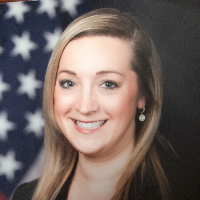
Brittany Bordonaro
LICSWDistrict of Columbia · 15 yrs exp
Compassionate, practical mental health support
Relationship · Family · Trauma and abuse · Self esteem · +12 more
Read profileAn independent directory. Not a crisis service.
Need help now?Therapist listings are provided by BetterHelp. We will earn a commission at no additional cost to you if you use our links to purchase.
Compare profiles of professionals who list adoption and foster care among their focus areas in the District of Columbia. Use the details on each profile to weigh credentials, languages and therapeutic approaches and then browse profiles that match your needs.
District of Columbia · 15 yrs exp
Compassionate, practical mental health support
Relationship · Family · Trauma and abuse · Self esteem · +12 more
Read profile
District of Columbia · 30 yrs exp
Compassionate clinician for life transitions
Stress, Anxiety · Relationship · Self esteem · Depression · +12 more
Read profile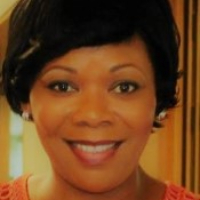
District of Columbia · 20 yrs exp
Healing that fits your life
Relationship · Family · Trauma and abuse · Depression · +14 more
Read profile
District of Columbia · 23 yrs exp
Compassionate counseling for life transitions
Stress, Anxiety · Grief · Self esteem · Depression · +14 more
Read profile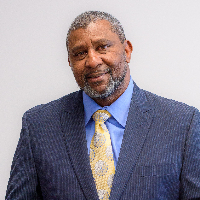
District of Columbia · 25 yrs exp
Therapist focused on practical healing
Stress, Anxiety · Addictions · Family · Trauma and abuse · +13 more
Read profile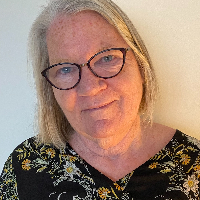
District of Columbia · 30 yrs exp
Experienced LICSW focused on practical change
Family · Parenting · Career · Coping with life changes · +13 more
Read profile
District of Columbia · 24 yrs exp
Trusted LICSW guiding practical change
Stress, Anxiety · Relationship · Family · Trauma and abuse · +15 more
Read profile
District of Columbia · 25 yrs exp
Practical, direct support for everyday challenges
Coping with life changes · Coaching · ADHD
Read profile
District of Columbia · 35 yrs exp
Practical, goal-focused support for life transitions
Stress, Anxiety · Grief · Self esteem · Depression · +3 more
Read profile
District of Columbia · 4 yrs exp
Compassionate, practical support for life changes
Grief · Parenting · Self esteem · Coping with life changes · +1 more
Read profile
District of Columbia · 20 yrs exp
Compassionate LICSW supporting relationship and family concerns
Stress, Anxiety · Relationship · Family · Self esteem · +1 more
Read profileWhen adoption, fostering or growing up in care touches your life it can raise questions about identity, belonging and attachment that are deeply personal. You may be exploring how your history influences relationships, grieving losses that are not always recognized by others, or navigating reunions and changing family roles. As a birth parent, adoptive or foster parent, or an adoptee, you might also find family adjustment and role expectations create ongoing tensions. Adults who grew up in care often want to make sense of what happened, to reconcile mixed feelings, and to build supportive connections that reflect who they are now.
In looking for help you will likely want a professional who understands the emotional nuances of adoption and foster care but also respects the individuality of your story. You may value someone who listens to questions about ethnicity, culture, or intergenerational patterns, or who can help you plan for practical conversations with family members. Therapy can provide a place to explore these themes, not as a one-size-fits-all solution but as a collaborative process shaped by your goals, values and the particular circumstances that brought you here.
Remember that therapists in this directory do not handle adoption, fostering, custody or legal processes and do not provide services for children through this directory. Use profile details to guide your outreach and confirm what each professional is willing and able to discuss with you.
The listed location groups profiles under District of Columbia for your convenience, but it does not guarantee an office in a particular neighborhood or that a professional holds current permission to practice in every setting. Profiles may reflect therapists who work across jurisdictions or in other countries. The directory includes professionals from the United States, the United Kingdom and Australia, and each country uses different terminology for permission to practice. In the U.S. the term license commonly indicates a legally required credential to provide mental health services in a state. In the U.K. and Australia you will see references to registration, membership or professional associations instead of a U.S. license. Degrees such as PhD, PsyD, MD, MA or MSW are academic qualifications and do not by themselves confirm current permission to practice. A profile that lists a degree and a separate license or registration provides clearer information about both education and professional authorization.
To make an informed choice read how each profile describes credentials, language skills and the population the professional typically works with. Check the individual profile and confirm permission to work together where you live before you begin. That step helps you understand whether a particular clinician can legally provide care in your jurisdiction or whether there are limits to the work they can do with you or members of your household.
When you look at a profile, think about the specific information that will matter in your first conversation. Ask whether the clinician regularly works with people whose lived experience matches yours - adoptees, birth parents, foster families or adults who grew up in care - and request examples of how they typically approach identity, attachment or reunion issues. You can ask whether a therapist lists certain approaches among their methods, such as narrative work, family systems perspectives or trauma-informed frameworks, but avoid assuming that listing an approach is the same as specialized certification. Phrase questions so they invite practical descriptions: how do you help people talk about loss without minimizing it; what kinds of conversations do you have around openness or contact after adoption; how do you support families adjusting to new roles?
Also ask about typical collaborators and boundaries of practice. If you expect coordination with schools, adoption agencies, attorneys or medical providers, ask whether the clinician has experience working in multidisciplinary teams and what types of written agreements they use. Clarify whether the therapist works with children, couples or families; a focus on adoption or foster care does not automatically mean that children or family therapy are part of the clinician's scope. Use these questions to compare how different profiles describe experience and therapeutic style, and to determine which clinicians are most likely to address the issues you prioritize.
If you are considering online sessions or cross-jurisdictional work, have an early conversation about where the therapist is authorized to practice and whether they can legally work with you in your location. Ask how they handle informed consent, where records are kept, and what to expect in situations where urgent concerns arise. It is appropriate to request information about communication norms - how messages are handled between sessions, response times and whether they provide summaries or resources after meetings. If you are a parent or guardian arranging care for a young person, discuss consent and who needs to be involved in decision-making before beginning any sessions.
Also explore practical matters such as the technology platforms they use and what to do if a session is interrupted. While a profile can indicate whether a clinician offers remote work, it will not replace a direct conversation about the legal and clinical boundaries. Confirm permission to work together where you live and whether the clinician's practice explicitly includes the population you represent. This conversation helps protect both you and the professional by clarifying expectations up front.
When you compare profiles, start by matching focus areas to your goals. Some clinicians list adoption and foster care among several focus areas while others place those topics at the center of their work. Look for language skills if cultural or linguistic identity matters to you, and note how profiles describe experience with reunions, transracial adoption, kinship care or attachment challenges. Pay attention to how a profile presents credentials: academic degrees provide information about training background while licenses or registrations indicate permission to practice. If a clinician lists both, you gain a fuller picture of their education and professional status.
Therapeutic style and approach are also important to compare. Profiles may describe a clinician's orientation in narrative terms or include approaches they list among their methods - for example, approaches that address memory, relationship patterns or coping strategies. Rather than assume any one approach will produce a specific outcome, use profile language to shape questions about how you will work together on concrete goals. Consider style as well - whether the clinician emphasizes storytelling, reflective inquiry, practical skills or systems-level perspective - and decide which resonates with how you prefer to be supported.
Finally, check the profile for notes about population and setting, and confirm whether the clinician can work with children or families if that is relevant to you. Use the comparison process to narrow choices and prepare questions for a first conversation. By focusing on observable profile details - focus areas, languages, degrees and permissions - you can identify professionals whose approach and experience align with your needs, and then confirm scope and permission to work together where you live before you begin contact or care.
Abandonment
2501 therapists
Adoption
3765 therapists
Attachment Issues
2579 therapists
Blended Family Issues
2510 therapists
Caregiver Issues and Stress
2594 therapists
Communication Problems
3125 therapists
Compassion Fatigue
2062 therapists
Coping with Life Changes
3086 therapists
Family
2967 therapists
Family of Origin Issues
2173 therapists
Fatherhood Issues
1549 therapists
Fertility Issues
1149 therapists
Forgiveness
2773 therapists
Foster Care
3765 therapists
Life Purpose
2918 therapists
Parenting
2733 therapists
Relationship
3107 therapists
Self-Love
2904 therapists