
Heather Revill
LPC, LCPCMaine · 12 yrs exp
Collaborative counselor focused on practical goals
Stress, Anxiety · Self esteem · Depression · Coping with life changes · +16 more
Read profileAn independent directory. Not a crisis service.
Need help now?Therapist listings are provided by BetterHelp. We will earn a commission at no additional cost to you if you use our links to purchase.
This Maine page groups profiles of clinicians who list adoption and foster care among their focus areas. Visitors can compare focus areas, approaches, credentials and languages, then browse profiles and confirm permission to work together in the listed location.
Maine · 12 yrs exp
Collaborative counselor focused on practical goals
Stress, Anxiety · Self esteem · Depression · Coping with life changes · +16 more
Read profile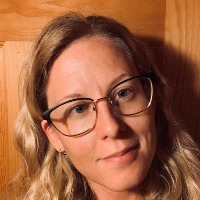
Maine · 9 yrs exp
Therapist who blends practical tools and warmth
Stress, Anxiety · Family · Trauma and abuse · Parenting · +9 more
Read profile
Maine · 4 yrs exp
Calm, practical help for everyday struggles
Stress, Anxiety · Relationship · Family · Trauma and abuse · +13 more
Read profile
Maine · 9 yrs exp
Supportive counselor for life transitions
Stress, Anxiety · Trauma and abuse · Coping with life changes · ADHD · +11 more
Read profile
Maine · 15 yrs exp
Experienced LICSW blending practical and humanistic care
Stress, Anxiety · Relationship · Family · Self esteem · +16 more
Read profile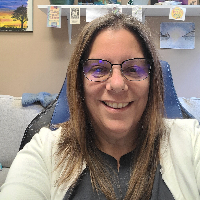
Maine · 3 yrs exp
Compassionate, practical therapy for life transitions
Stress, Anxiety · Family · Trauma and abuse · Depression · +14 more
Read profile
Maine · 8 yrs exp
Practical, client-driven therapy for life challenges
Relationship · Family · Trauma and abuse · Parenting · +10 more
Read profile
Maine · 15 yrs exp
Straightforward counseling focused on real-life change
Stress, Anxiety · Family · Trauma and abuse · Anger · +7 more
Read profile
Maine · 7 yrs exp
Compassionate LCSW focused on practical change
Stress, Anxiety · Relationship · Family · Trauma and abuse · +12 more
Read profile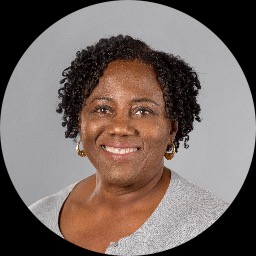
Maine · 10 yrs exp
Calm practical support for life transitions
Stress, Anxiety · Addictions · Grief · Self esteem · +2 more
Read profile
Maine · 13 yrs exp
Compassionate, practical support for life changes
Stress, Anxiety · Trauma and abuse · Grief · Self esteem · +1 more
Read profileWhen adoption, fostering, family change or reunion are part of your story, you may be looking for a therapist who understands those themes - questions of identity, belonging, attachment, loss and family adjustment. This directory groups profiles under the listed location Maine so you can see clinicians who indicate experience or interest in adoption and foster care. Profiles are a starting point for comparing what matters most to you: the focus areas a clinician highlights, the therapeutic approaches they mention, languages spoken, and the academic or professional credentials they list. Profiles do not, by themselves, prove a clinician has authority to do certain legal work or provide services for children through this directory. You will want to reach out to individual profiles to clarify whether the clinician is permitted to work with you in your location and to discuss the specific matters you are facing.
People come to this topic with very different needs. You might be an adoptive parent navigating attachment and parenting adjustments, a birth parent facing grief or reunion planning, an adoptee exploring identity and belonging, a foster caregiver managing transitions, or an adult who grew up in care working through long-term effects. Use the profile information to narrow your choices, and then prepare focused questions so early conversations are efficient and relevant to your situation.
Listed location indicates that a clinician has associated their profile with Maine, but it does not guarantee they hold a current permission to practice everywhere in Maine or to work across state or national lines. You should confirm on the individual profile whether the clinician can legally work with you where you live. In the United States, clinicians typically hold state-level licenses that indicate the permission needed to practice within a given jurisdiction. In the United Kingdom and Australia, clinicians may describe registration or membership with recognized professional bodies. Academic degrees such as PhD, PsyD, MD, MA or MSW indicate completed study but do not on their own establish current permission to provide care. When reading a profile, notice the way credentials and roles are described and ask directly about the clinician's current authorization to practice in your location and the scope of services they provide.
Because legal and professional frameworks differ by country and state, bring concise questions when you contact a clinician. Ask whether they are registered or licensed to practice with residents of your state or nation, and whether their practice is limited to adults or includes work with children and families. The presence of adoption or foster care among a profile's focus areas does not automatically mean the clinician will work with every age group or handle custody or legal matters. Those topics often require collaboration with legal or social services professionals and should be clarified up front.
Before you commit to any next step, prepare specific questions that will reveal whether a clinician's approach aligns with your needs. Ask how they describe the therapeutic focus in their own words: do they frame their work around identity exploration, attachment repair, grief and loss, family reunification or parenting support? Request examples of the types of issues they have worked with that are similar to yours, being mindful that a profile's mention of adoption or foster care is not a guarantee of particular experience. If particular methods matter to you, invite conversation using careful language - for example, ask about therapists who list EMDR among their approaches and how that approach might be used for trauma-related symptoms, or about those who list narrative or relational approaches and how they support identity questions. Avoid assuming that a listed approach implies formal certification or specialization; instead, ask how long they have been using a given approach and how they integrate it into sessions.
Also be direct about scope. If you are a parent seeking help with attachment-based parenting, ask whether they work with caregivers, whether they see children or only adults through this directory, and how they involve other family members when appropriate. If you are an adoptee exploring reunion or identity, ask how they support reunion planning and what supports they recommend alongside therapy. Concrete examples will help you compare clinicians on the same basis and decide who to contact for an initial conversation.
If you are considering remote sessions or a clinician who is based in Maine but you live elsewhere, there are important practical and professional questions to raise. Confirm that the clinician has permission to work with residents of your state or country, and ask about the process they follow for establishing care across jurisdictions. Discuss how they handle safety planning and emergency response - for example, what steps they will take if you report imminent risk, and who you should contact locally in an emergency. Talk about communication preferences and boundaries so you understand how to reach them between sessions if needed, and what to expect for scheduling and follow up communications.
Technology and accessibility should be addressed directly. Ask what platforms they use, what information is needed to get started, and what to do if a technical problem interrupts a session. If you have specific needs related to language, cultural background, or disability accommodations, raise those early so you can assess fit. Finally, confirm the clinician's stated scope of practice - whether they provide care for adults only, or whether they also work with children and families through channels not represented by this directory - and clarify how any cross-disciplinary coordination would occur if you need legal, medical or social services in addition to therapy.
When you return to the profiles after initial outreach, compare them across concrete dimensions that matter to you. Look at the focus areas listed and notice whether clinicians mention adoption-related work like placement loss, openness and reunion, identity development, or parenting after adoption. Note the languages a clinician lists and whether they indicate cultural competencies that match your background. Examine credentials and the terminology used - distinguishing academic degrees from registration or permission to practice - and prioritize clinicians who can legally provide services in your location.
Therapeutic style is equally important. Some clinicians describe a practical, skills-oriented stance; others emphasize reflective, relational work. Think about the kind of interaction that helps you most: do you prefer directive feedback and strategies, or a more exploratory conversation about identity and meaning? Formulate a set of comparison questions you can use repeatedly, such as: Which focus areas do you work with most often? Do you work with people of my age or family situation? How would you describe your style when addressing adoption-related grief or attachment concerns? What languages do you provide care in? Using the same questions across profiles makes it easier to weigh differences and choose who to contact for a conversation. Always confirm details on each profile and verify that the clinician has permission to work with you in the listed location before moving forward.
Abandonment
2501 therapists
Adoption
3765 therapists
Attachment Issues
2579 therapists
Blended Family Issues
2510 therapists
Caregiver Issues and Stress
2594 therapists
Communication Problems
3125 therapists
Compassion Fatigue
2062 therapists
Coping with Life Changes
3086 therapists
Family
2967 therapists
Family of Origin Issues
2173 therapists
Fatherhood Issues
1549 therapists
Fertility Issues
1149 therapists
Forgiveness
2773 therapists
Foster Care
3765 therapists
Life Purpose
2918 therapists
Parenting
2733 therapists
Relationship
3107 therapists
Self-Love
2904 therapists